
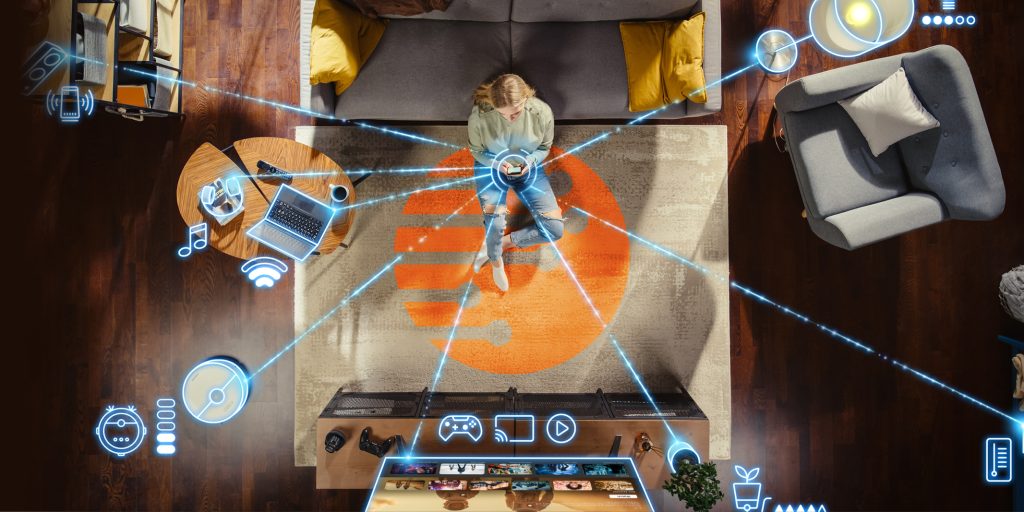
When most people hear the term eDiscovery, their minds immediately jump to the usual suspects: computers, smartphones, tablets. It’s natural. These are the tools we interact with every day, and they store emails, messages, documents, and other digital footprints relevant to investigations. However, the reality is more complex. Electronic evidence can live beyond these expected sources. It can be hidden in places you might never imagine, like the office photocopier or other memory-enabled devices that don’t look like traditional data storage at all.
Several years ago, I attended a critical case meeting with my attorney and a team of investigators. They had seized computers and smartphones and presented their findings confidently. When it was my turn to ask questions, I inquired whether the business had copying machines or other devices capable of electronic access. The reaction was immediate and unmistakable– a deer-in-headlights moment. It was clear that many overlook these hidden sources, even in thorough investigations. That moment underscored an important truth: when it comes to eDiscovery, the obvious isn’t always enough.
Expanding the Definition of Electronic Evidence
Critical evidence often hides in unexpected places, embedded in everyday devices you might not consider. These less obvious sources can hold valuable data that could significantly impact the outcome of a case. As technology evolves, so do the locations where digital information resides. Limiting your search to traditional gadgets risks missing vital pieces of the puzzle and leaving gaps in your investigation.
To uncover the full story, you need to know where else to look. Let’s dive into some surprising devices that could be holding the answers you need.
Virtual Reality Goggles
Not just for games. These headsets like the Oculus series do more than provide immersive experiences. They store everything from internet searches to personal data, tracking the user’s digital journey.
Copy Machines
More than paper pushers. These devices store records of every copy, scan, and print job, sometimes even saving and releasing documents for later use.
Activity Trackers
These wristbands track heart rates, locations, and daily routines. Devices like Fitbit collect detailed personal information along with GPS data.
Smart TVs
Today’s televisions do more than stream shows. They store viewing history, search activity, and user preferences—revealing digital patterns that often go unnoticed. Internet-connected models can hold surprising amounts of personal data.
Ring doorbells
These increasingly common devices do more than monitor the front door. They record video footage, timestamp arrivals and departures, and log who comes and goes, often capturing details crucial to investigations.
Automobiles
Vehicles today are mobile data hubs. Many come equipped with GPS, WiFi, and onboard systems that track location, usage patterns, and driver behavior, making them a valuable source of electronic evidence.
Smart watches
What was once just a timekeeper is now a personal data vault. Devices from Apple, Android, and others store health metrics, messages, app activity, and location data. The wrist has become a surprisingly rich source of digital evidence.
CPAP machines
Designed to treat sleep apnea, these medical devices often include modems and SD cards that collect and transmit sensitive health data. What appears to be a simple sleep aid may hold critical electronic evidence.
Cameras
Every photo tells more than a visual story. Many modern cameras embed GPS coordinates and connect to WiFi, transforming images into trackable digital records complete with time, date, and location data.
Game systems
Behind the games is a detailed digital footprint. Consoles like Xbox and PlayStation store user profiles, chat logs, gameplay history, and network activity offering a surprising window into personal habits and digital behavior.
You Can’t Interpret What You Don’t Know Exists
Evidence rarely hides in plain sight. It’s scattered across smart devices, embedded apps, structured systems, dormant logs, and overlooked platforms. While it used to live in one place– email, a phone, a laptop– that’s no longer the case.
Today, data is fragmented. Context is layered, and understanding what matters means tracing communication across multiple sources, not stopping at the first hit.
At iDS, we don’t just collect. We connect. Our consultative experts surface patterns that span platforms and timelines, bringing context to complexity and clarity to the case.
With iDS, you don’t just find what’s hidden. You find what matters.
iDS provides consultative data solutions to corporations and law firms around the world, giving them a decisive advantage – both in and out of the courtroom. iDS’s subject matter experts and data strategists specialize in finding solutions to complex data problems, ensuring data can be leveraged as an asset, not a liability. To learn more, visit idsinc.com.