When a federal court sanctions a party for submitting a forged digital signature, and the Second Circuit affirms, lawyers take notice. But Laba v. JBO Worldwide Supply is more than a one-off fraud story. It’s a roadmap for litigators handling electronic evidence in high-stakes disputes. Below, we break down what happened, what it means for the courtroom, and how to ensure your team stays on the right side of digital integrity.
What Happened in Laba v. JBO
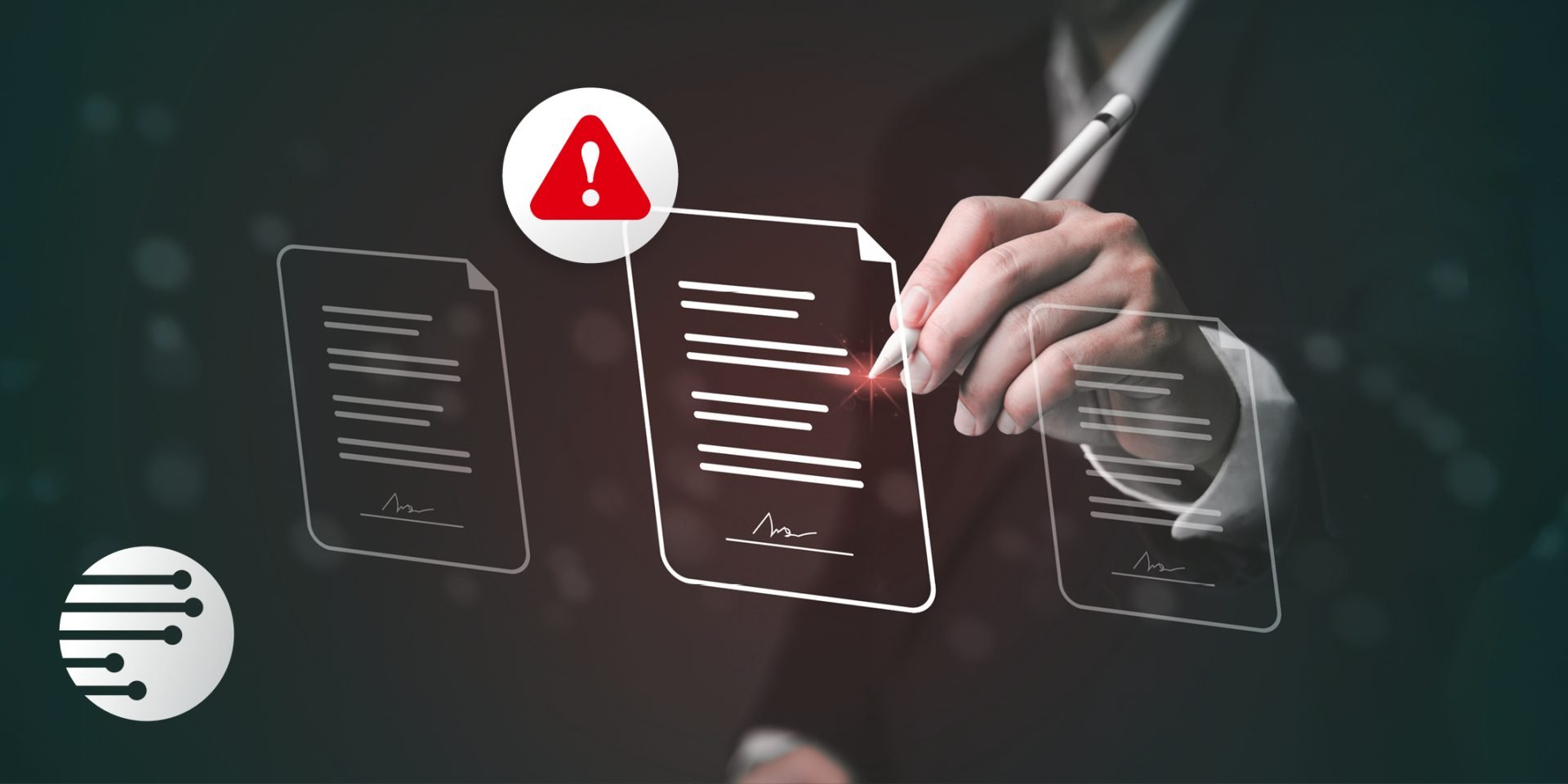
At the center of the case: a purported finder’s fee agreement. The plaintiff, Remi Laba, submitted it as proof of entitlement. The signature? Allegedly from JBO’s managing director. But under forensic analysis, that “signature” told a different story. The signature was a digital forgery.
As a result, the district court imposed sanctions exceeding $190,000. The Second Circuit upheld that decision, reinforcing the severity of submitting fraudulent evidence.
Key Takeaways from the Ruling
1. A Digital Signature Is Not Self-Authenticating
What looks like a signature may not be one. The court in Laba relied on metadata, document formatting inconsistencies, and signature layering to determine the document had been tampered with.
2. Metadata Is Now Mainstream Evidence
The court’s findings hinged on file creation dates, edit histories, and signature behavior within PDFs, details often overlooked by even seasoned litigators.
3. Forensic Expertise Can Be Case-Defining
The court specifically cited the forensic expert’s report and live testimony in reaching its conclusion. It wasn’t just data; it was how it was explained that made it credible.
What to Think About Before Your Next Case
- Don’t Accept PDFs at Face Value
Insist on native file production with complete metadata. Ask early. Demand clarity. - Plan for Authentication, Not Just Admissibility
Train your team to consider how documents will be proven real, not just whether they exist. - Choose Experts Who Can Bridge the Technical and Legal
Technical knowledge isn’t enough. Your expert must be able to translate the forensic findings into legal consequences.
Behind the Scenes: How the Truth Came Out
The court didn’t just suspect a forgery. It acted on proof, and that proof came from us. JBO engaged iDS to analyze the disputed agreement. The investigation, led by iDS CEO and expert witness Dan Regard, uncovered:
- Improperly layered digital elements
- Signature formatting inconsistent with known authentic documents
- Metadata showing document tampering
The forensic report withstood rigorous cross-examination and was pivotal in the court’s finding of fraud. The district judge characterized the fabricated signature as convincing and fraudulent, a conclusion the Second Circuit affirmed. iDS didn’t just support the investigation; we drove the outcome.
Final Word
Laba v. JBO is more than a fraud case. It marks a turning point in how digital evidence is evaluated. As courts raise their expectations and forensic standards advance, legal teams must evolve their approach to evidence strategy.
If your team isn’t yet focused on document behavior, metadata timelines, and forensic testimony, it’s time to start. In the digital courtroom, credibility is not assumed—it is established through proof.
iDS provides consultative data solutions to corporations and law firms around the world, giving them a decisive advantage – both in and out of the courtroom. iDS’s subject matter experts and data strategists specialize in finding solutions to complex evidence challenges, ensuring data can be leveraged as an asset, not a liability. To learn more, visit idsinc.com.